
Excited to mentor projects on
I would be excited to mentor anyone who has a passion for and interest in improving the lives of sentient beings. I am especially interested in aquatic animal welfare (cephalopods and decapod crustaceans) as well as the field of insect law (especially in the protection of pollinators). Having worked in school settings for many years, I have developed programs to get children and teenagers involved in projects that do the most good and least harm for people, non-human, and the environment. I am interested in supporting mentees' interests, sharing my expertise, and learning alongside them!
Who I'm looking for
I am looking for a mentee who is passionate about improving the lives of animals. I would love to work with someone who understands the importance of scientific data/research in making informed decisions, as well as the need to think "out-of-the-box" when developing new ways to safeguard animals' well-being. I would love to collaborate with someone who is a self-starter and is open to receiving feedback about their ideas.
Questions for applicants
- Tell me about your experiences working with mentors.
- Please describe your ideal mentor. What characteristics does he/she/they possess?
- What is the best way for you to receive feedback from a mentor?
- What are the two most important things your mentor could do for you?
Support offered
First and foremost, I would like to establish a respectful, collaborative working relationship with my mentee. I want to get to know him/her/them, including their hopes and fears for their project and our work together. I think I could be helpful to a mentee in acting as a sounding board, setting and scaffolding actionable goals (short- and long-term), providing encouragement and constructive feedback, and facilitating connections with experts in the field. I would also like to be someone with whom they can celebrate their successes and walk beside them when they are feeling uncertain and discouraged. I think this quote from Oprah Winfrey speaks to how I think about my role as a mentor: "A mentor is someone who allows you to see the hope inside yourself. A mentor is someone who allows you to see the higher part of yourself when sometimes it becomes hidden from your own view. A mentor is someone who helps you to distinguish the wall from the door."
- format
- Research & writing · Field-building & outreach
- topic
- Tools for advocates · Wild animal welfare · Neglected animal groups
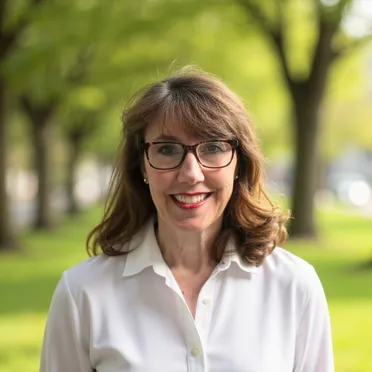
Kate Drescher
I have been a licensed clinical psychologist for 25 years and have spent the last eight studying the mutual benefits of the bond between non-human animals and their human counterparts in promoting wellness. I am the Staff Psychologist at Vail Mountain School, located in the heart of Colorado’s Rocky Mountains, where I am joined by my canine partner, Beignet, to support students’ social, emotional, and academic needs.
My interest in the field of animal law developed through my graduate studies at the Institute for Human-Animal Connection at the University of Denver. That training focused on the ethics of interspecies collaboration, including the necessity of treating animal partners as equals in the therapeutic setting, safeguarding their physical and emotional well-being.
However, my interest in animal welfare predates my graduate training. Since early childhood, I have felt a deep connection to the animal world, and while I did not know what animal sentience was at the time, I intuitively knew animals were thinking, feeling, and sensing beings.
I recognize that speciesism has created a dangerous hierarchy relegating non-human animals to a lower status, thereby allowing them to be oppressed and exploited for human gain. This is especially true for certain species and groups of animals, including aquatic and farmed animals as well as insects. I believe human beings have an ethical (and legal) responsibility to change this way of thinking, being, and living for the benefit of all.
I respect and deeply appreciate the forward-thinking work that Sentient Futures is doing. While AI is on the minds of many, I do not think those individuals are reflecting on the intersection between emerging technologies (like AI) and nonhuman welfare. New technologies present never-before opportunities to understand and safeguard the well-being of animals. They also come with ethical risks regarding further exploitation of an already vulnerable population (with some animal species being even more at risk than others). We must proceed with intention, caution, and care.